
The Klense journal · 4 minute read
How to build a resilient manufacturing plan without lowering standards: qualifying backup manufacturers
Klense Supply ·
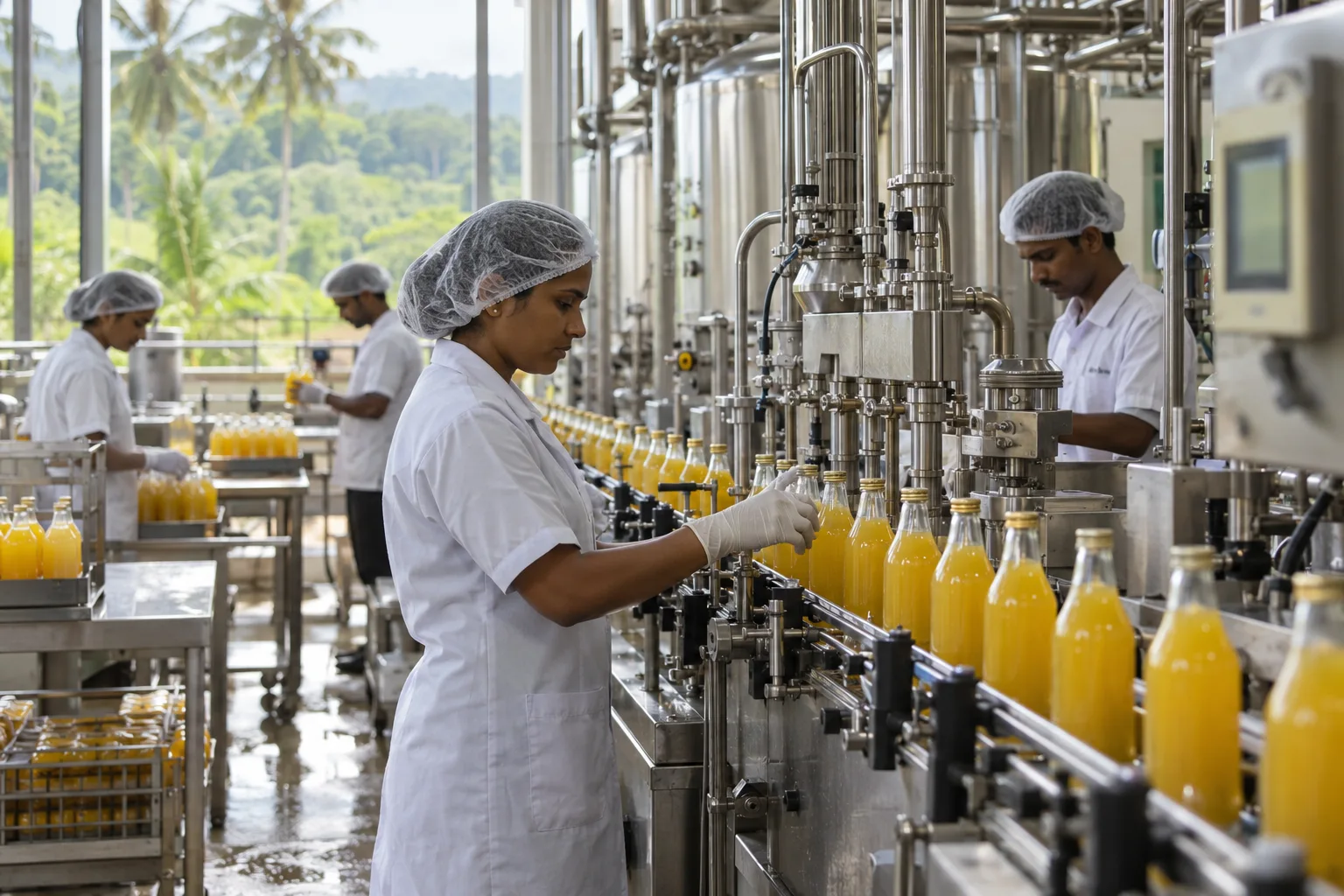
Resilience starts before the disruption
Every supply programme eventually meets a change it did not plan for: a production slot moves, a raw material becomes scarce, a facility is fully booked for a season, or demand outgrows the original volume. The instinctive response is to find another manufacturer quickly. The problem is that a manufacturer found in a hurry is rarely qualified properly, and the pressure to keep stock moving is exactly when standards are most likely to slip. A resilient plan does the qualification work while there is time, so that a switch, if it ever comes, is a controlled decision rather than an emergency.
Map where your supply could break
Start by identifying the points where a single change would stop supply. For each product, note:
- Single sources: a product, ingredient or component available from only one facility.
- Capacity limits: whether the current facility can handle peak demand or growth.
- Seasonal or harvest dependence: crops such as tea, spices or coconut where supply and quality vary with the season.
- Specialised processes or packaging: formats only some facilities can produce.
- Lead-time sensitivity: products where a short delay would empty shelves or interrupt a service.
- Destination requirements: documentation or certifications your market demands, which narrow the pool of suitable facilities.
Rank products by how much a disruption would hurt. Not everything needs a backup; focus effort where the consequence is highest.
What qualifying a backup manufacturer involves
A backup manufacturer is only useful if it can make the same product to the same standard. Qualifying one usually means working through a short sequence:
- Confirm capability: can the facility produce the format, size, packaging and volume you need?
- Confirm documentation: are the certificates relevant to your product and market, such as Halal, Kosher, ISO, HACCP or organic, available for that product and facility?
- Share the approved specification: the backup works to the same document as the primary, not a looser version.
- Sample and compare: produce a sample and evaluate it against the approved product and the specification, side by side.
- Agree the checks and evidence: the same pre-shipment checks and documentation as the primary source.
- Record the result: what was approved, what differs and any conditions attached.
Where a facility visit or document review is important for your product, include it in the agreed scope so it happens as part of qualification rather than as an afterthought.
Keep the specification as the fixed point
The most common way standards drop during a switch is that the specification quietly changes. A backup facility proposes a slightly different ingredient, a different bottle, a lighter carton, and each change seems reasonable on its own. A resilient plan treats the approved specification as the fixed point. Any proposed change is written down, assessed for its effect on quality, claims, labelling and documentation, and approved or rejected by the named decision maker. If a change is accepted, the specification is updated and the new version controls future production.
Product-specific checks should also be repeated before the first release from a new source, even if the facility has been qualified. Qualification shows a facility can make the product; release checks show that a particular batch did.
A hypothetical contingency plan
For example, imagine a distributor carrying a private-label coconut oil and a spice blend. A mapping exercise shows the coconut oil comes from one facility running near capacity, while the spice blend uses ingredients available from several suppliers. The distributor decides the oil deserves a qualified backup and the blend does not.
The illustrative plan reads: identify one alternative facility capable of the same grade and pack; confirm its documentation for the product; produce a comparison sample against the approved specification; agree the same pre-shipment checks; and record the approval with the conditions under which the backup would be activated, such as the primary being unable to confirm a production slot within the needed window. The plan also notes that a switch would need artwork checks, because the facility details on the label may change. None of this guarantees uninterrupted supply, but it turns a future scramble into a decision with a known path.
Reviewing the plan over time
A contingency plan ages. Facilities change ownership, certifications lapse, capacity is taken by other customers. Review the plan at sensible intervals, and whenever the product, volume or destination changes. Check that documentation for the backup remains current, that the specification both facilities work to is the same version, and that the activation conditions still make sense. At Klense Supply, timing depends on product, quantity, development, approvals and production capacity, and the proposal confirms the indicative schedule. Discussing capacity and alternatives early in the scope gives more room to plan.
Frequently asked questions
Does every product need a backup manufacturer?
No. Focus on products where a disruption would cause the most harm, such as best sellers, single-source items or products tied to fixed service commitments. For lower-risk items, a clear understanding of lead times and alternatives may be enough.
Will a backup manufacturer's product be identical?
It should meet the same approved specification, but small differences in appearance, taste or texture can occur between facilities. That is why comparison sampling and repeat checks before release matter, and why any accepted difference should be recorded.
When should we qualify an alternative source?
Ideally once the primary product is stable and selling, and well before peak demand or a known capacity squeeze. Qualifying during a disruption is possible, but there is less time to sample and check properly.
Discuss your supply requirements
If you want to review where your supply could break and which products deserve a qualified alternative, share your range, volumes and destination with the team. Send an enquiry or request a discovery call to begin.