The Klense journal · 4 minute read
How wellness operators can turn post-treatment tea into a brand experience
Klense Supply ·
The few minutes after a treatment
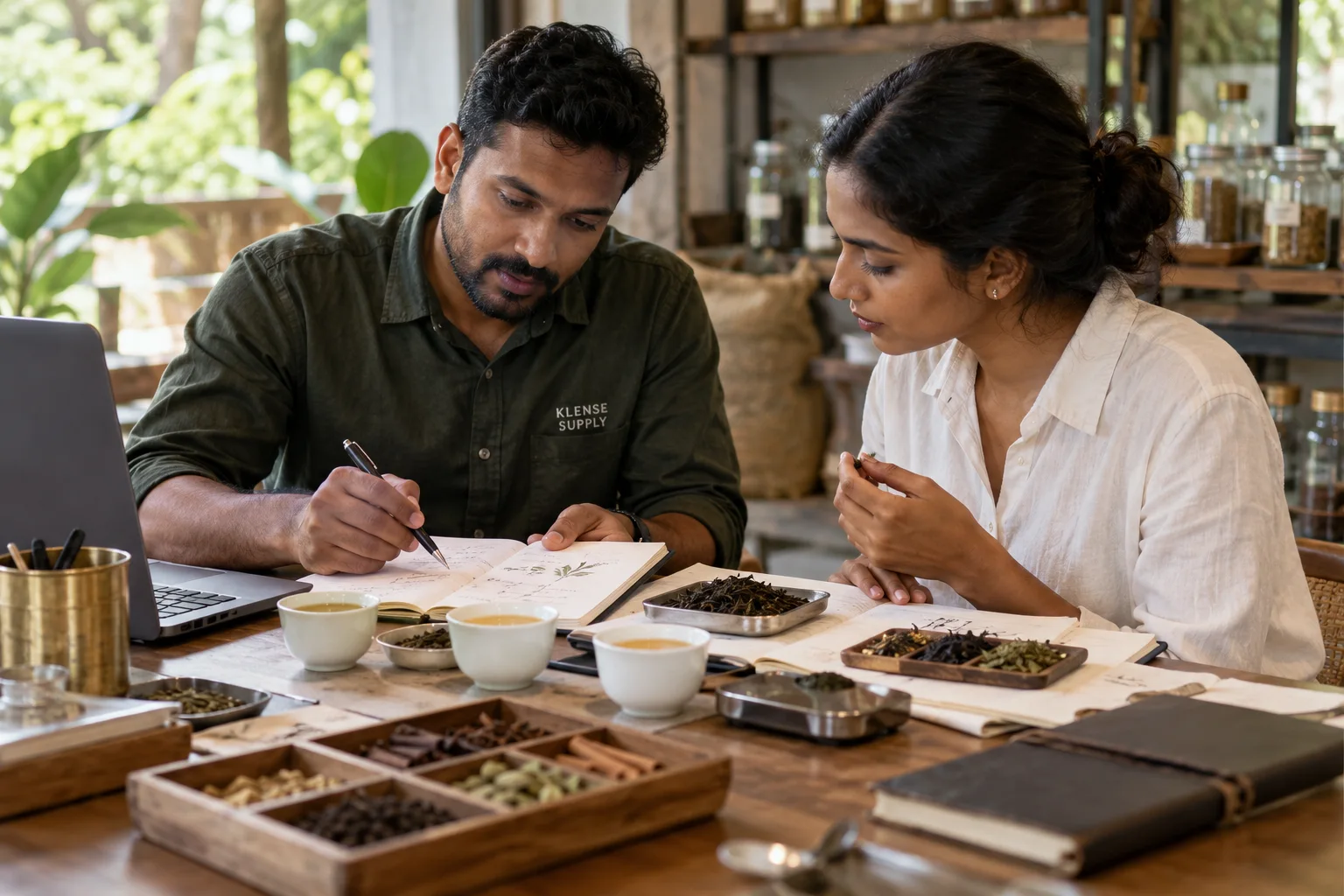
The moments after a massage, facial or bathing ritual are some of the most memorable in a spa visit. The guest is relaxed, unhurried and paying close attention to small details: the warmth of the cup, the scent of the room, how the tea tastes. For spa and wellness operators, post-treatment tea is a chance to close the experience deliberately rather than leave it to whatever is in the cupboard.
Treated well, the tea becomes part of the brand. Treated as an afterthought, it can undo some of the calm the treatment created. The difference rarely comes down to cost. It comes down to whether someone has decided what that moment should feel like and chosen the product, service and presentation to match.
Start with the guest moment
Start with the guest moment, then choose the format, flavour profile and packaging. Before looking at any product list, describe the moment in a sentence or two. For example: a guest leaving a deep-tissue massage, still warm, sitting in a quiet lounge for ten minutes before changing. Or a guest finishing a morning facial and heading straight back to work.
Each description points to different choices. A slow lounge moment suits a gentle, caffeine-free infusion served in a pot. A quick transition might suit a lighter cup that is ready in moments. Write down what the guest should feel, how long they have, and what time of day most treatments finish.
Choosing the tea for the ritual
With the moment defined, the product decisions become much simpler. These are the choices most operators work through.
- Caffeine: caffeine-free herbal infusions for evening and relaxation menus; green or black tea where a gentle lift suits a morning programme
- Flavour profile: calming notes such as chamomile or mint, warming spice blends, or citrus and ginger for a brighter finish
- Format: loose leaf for theatre and aroma, pyramid or standard bags for speed and consistency between therapists
- Temperature: whether the tea is served hot, or offered chilled in warmer months and climates
- Pairing: whether anything is served alongside, such as dried fruit or a small coconut snack
- Dietary considerations: allergens and ingredient lists available for staff to share when guests ask
It also helps to keep the selection short. Two or three teas matched to the treatment menu usually create a more confident experience than a long list the guest has to choose from while still drowsy.
Making service consistent across every therapist
A ritual only becomes part of a brand when it happens the same way every time. That depends on simple, written service standards that any team member can follow.
- Which tea is offered after which treatment
- Brew time and water temperature for each tea
- The cup, pot or glassware used, and how it is presented
- A short line of description therapists can use, written in the spa's own voice
- Where the tea is stored and how stock is rotated
- Who reorders and at what stock level
Short standards like these also make training easier when staff change, and they give managers something concrete to check during service reviews.
Branding the cup, not just the menu
Once the ritual is consistent, packaging can carry the brand further. Private-label tea allows an operator to present the blend under its own name, with packaging and descriptions that match the treatment menu. Options range from branded tins in the lounge to individually wrapped sachets that suit a tray presentation. Any label wording and ingredient information still needs to meet the requirements of the market where it is served or sold.
For example, imagine a day spa with two treatment rooms and a small relaxation lounge. It might begin with one existing caffeine-free blend served from a branded tin, then develop a signature blend after a few months of guest feedback. This hypothetical shows the usual sequence: settle the ritual with a proven tea first, then invest in a custom blend once the moment is working.
How Klense supports a tea programme
Tea is one of Klense Supply's nine categories, alongside wellness shots and supplements, personal care and beauty, and hotel amenities and hospitality supplies, which often sit close to a spa's tea service. A commercial contact helps define the scope and proposal, and an operations contact then coordinates samples, production and delivery. Samples are paid and quoted separately, and a sample may be an existing blend or part of a development brief for a signature tea.
Frequently asked questions
Should we offer caffeinated tea after treatments?
It depends on the treatment and time of day. Many operators keep caffeine-free infusions as the default after relaxing treatments and offer a gentle green tea for morning or energising programmes. Matching the tea to the treatment menu is more important than a fixed rule.
Do we need a custom blend to make tea part of our brand?
No. A well-chosen existing blend, served consistently and presented under your own branding where private label is suitable, can be enough. A custom blend makes more sense once the ritual is established and you know what guests respond to.
How do we keep the experience consistent across locations?
Use the same short service standards, the same products and the same presentation at every site, and reorder through one supply arrangement where practical. That keeps the guest experience recognisable wherever they visit.
Discuss your supply requirements
If you are shaping a post-treatment tea ritual, bring your treatment menu, the guest moment you want to create, your preferred formats and an estimate of monthly usage to Klense Supply. Send an enquiry or request a discovery call, and the team will confirm a time to talk through suitable blends and packaging.